A successful lawn care schedule for Tupelo homeowners involves applying pre-emergent herbicides in early spring and maintaining mowing heights between 1.5 and 2 inches for Bermuda and St. Augustine grasses. Residents should prioritize nitrogen-free potassium fertilizers by mid-August to build root strength before winter dormancy; consistent watering and thatch control further ensure year-round health. This seasonal approach addresses the specific needs of warm-season lawns in the Mississippi climate.
Most homeowners in Tupelo invest hundreds of dollars into fertilizers and water only to see their Bermuda grass thin out or their St. Augustine succumb to fungus during the Mississippi humidity. It is frustrating to work hard without seeing the lush, deep green results you deserve. Achieving a championship caliber lawn requires more than just effort; it demands precise timing aligned with our specific regional climate. At BADDBOYY ENTERPRISES LLC, we understand that Mississippi soil and weather patterns dictate a unique maintenance rhythm. This guide provides a comprehensive, year round roadmap designed specifically for local conditions. You will learn how to master seasonal fertilization, weed control, and irrigation strategies for the two most popular grass types in our area. By following this expert schedule, you can transform your property into the best looking lawn on the block.
Why a Tupelo Specific Lawn Care Schedule Matters
Maintaining a healthy lawn in Lee County requires more than a passing glance at a big-box store flyer. Tupelo sits directly in a transition zone, primarily classified as USDA Zone 7b or 8a. This unique position means our yards face a punishing combination of sweltering, humid summers and occasional hard freezes that can shock unprepared turf. Generic national guides often fail local homeowners because they do not account for the specific soil types and extreme humidity levels inherent to North Mississippi.
To achieve professional results, following a localized lawn care schedule is essential. Most properties in our area feature either Bermuda or St. Augustine grass. While both are warm-season varieties that thrive in the Mississippi heat, their maintenance timing and height requirements differ significantly. Bermuda is aggressive and resilient, often requiring a different approach to scalping and fertilization than the broader-leafed St. Augustine grass.
St. Augustine offers better shade tolerance but is far more sensitive to the hard frosts we experience in late January. Understanding these nuances is why many residents seek professional lawn services to handle the complex timing of treatments. If you are unsure which variety dominates your yard or need help establishing a lawn mowing schedule, you can contact BADDBOYY ENTERPRISES LLC for an expert site assessment. Knowing exactly when to apply treatments prevents wasted product and ensures your turf stays resilient through every season.
Spring Maintenance: March through May
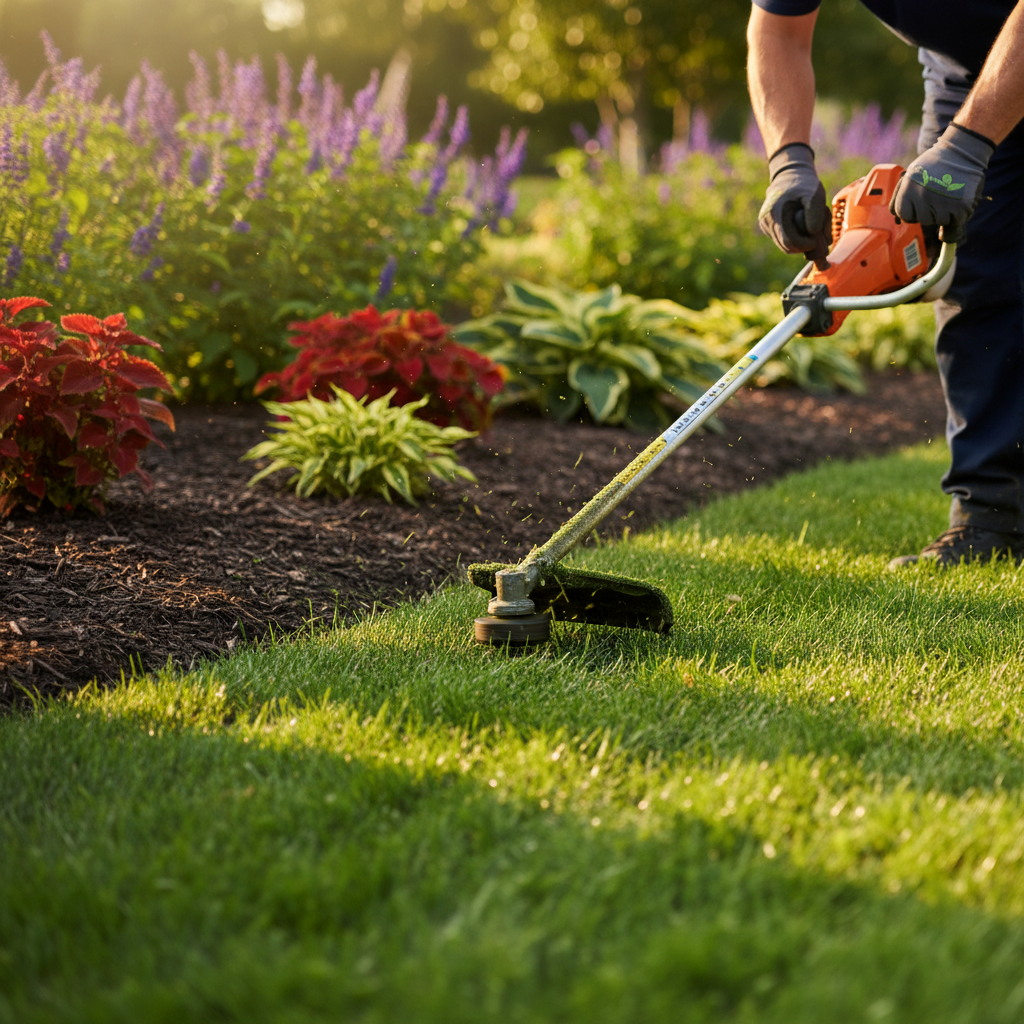
Spring in North Mississippi marks the transition from dormancy to active growth, requiring a precise approach to your lawn care schedule. In Tupelo, March serves as the critical window for pre-emergent herbicide application. You must apply these treatments before soil temperatures consistently reach 55 degrees, which is the biological threshold for crabgrass seeds to begin germinating. Missing this window allows weeds to establish a foothold that becomes significantly harder to manage once the summer humidity arrives.
As the frost clears in late March, you must differentiate your maintenance based on your grass type. If your yard consists of Bermuda, this is the time for scalping. Setting your mower to its lowest setting to remove dead, dormant thatch allows sunlight to reach the soil more effectively, warming the ground and encouraging faster green-up. Conversely, St. Augustine grass should never be scalped. Because St. Augustine grows via stolons, which are above-ground runners, an aggressive low cut can permanently damage the plant's structure and leave the lawn vulnerable to disease and heat stress.
Spring Task | Recommended Timing | Target Grass Type |
|---|---|---|
Pre-emergent Application | Early to Mid-March | Both Bermuda and St. Augustine |
Scalping (Thatch Removal) | Late March | Bermuda Only |
First Nitrogen Fertilization | Mid to Late April | Both (at 50% green-up) |
Patience is required when it comes to feeding the lawn. Many homeowners make the mistake of applying fertilizer as soon as the first hints of green appear in early April. Applying nitrogen too early wastes product and can actually harm the grass if a late Lee County frost occurs. You should wait until the lawn is at least 50 percent green before applying your first round of nitrogen-heavy fertilizer. For our region, this typically happens between mid and late April.
If you need assistance determining the right product or timing for your specific lot, contact BADDBOYY ENTERPRISES LLC to ensure your spring startup is handled with professional precision. Proper timing now prevents the need for corrective professional lawn services later in the year, keeping your lawn mowing schedule consistent and manageable as the growth rate accelerates into May.
Summer Success: June through August
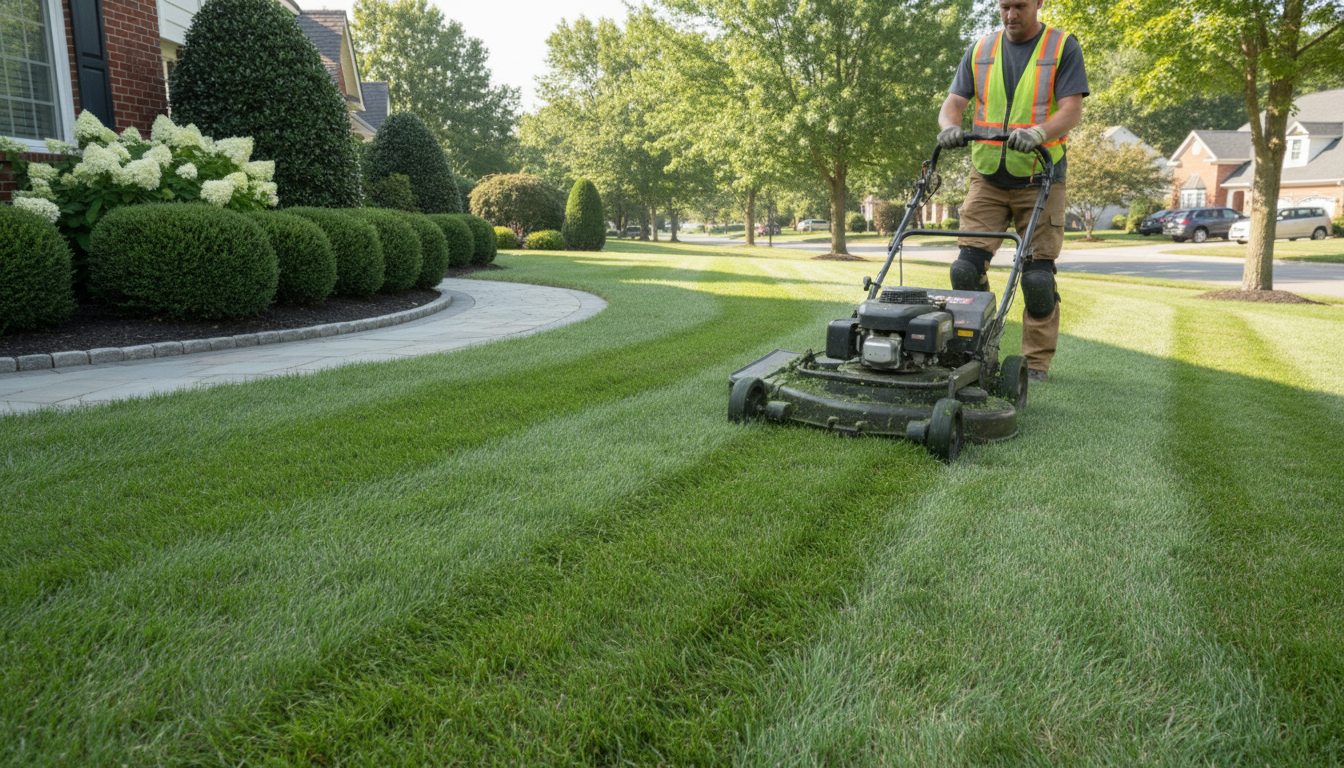
June through August in Tupelo presents the greatest challenge to your turf. When temperatures regularly climb toward 100 degrees, the natural instinct is to water the lawn every day for a few minutes. However, daily shallow sprinkles are counterproductive. This practice keeps the moisture near the surface, where it evaporates quickly and encourages shallow root systems that cannot survive a Lee County drought. Instead, adjust your lawn care schedule to deliver deep, infrequent watering. Aim for 1 to 1.5 inches of water per week, ideally split into two heavy sessions early in the morning before 9:00 AM. This allows water to penetrate deep into the soil, forcing roots to grow downward where the ground stays cooler.
Maintaining the correct height is equally vital for heat resistance. St. Augustine and Bermuda have very different needs during the peak growing season. St. Augustine thrives when kept taller, between 3 and 4 inches. This height provides critical shade for the stolons, which are the above ground runners susceptible to sun scald. In contrast, Bermuda thrives at a lower height of 1.5 to 2.5 inches. Keeping Bermuda at this level encourages lateral growth and creates a dense, carpet like texture that naturally chokes out weeds. If you find your grass is growing faster than your current lawn mowing schedule allows, seeking professional lawn services ensures your height remains consistent without stressing the plants.
Grass Type | Ideal Summer Mowing Height | Key Maintenance Focus |
|---|---|---|
Bermuda | 1.5 to 2.5 inches | Density and weed suppression |
St. Augustine | 3.0 to 4.0 inches | Stolon shading and moisture retention |
Late summer also marks the arrival of local pests, most notably fall armyworms. These caterpillars can move through a North Mississippi neighborhood rapidly, stripping a green lawn to brown stems in a matter of days. Watch for increased bird activity on your grass or small, brown patches that seem to expand overnight. If you suspect an infestation, you should contact BADDBOYY ENTERPRISES LLC immediately for a diagnostic check. Catching these pests early in August is the only way to prevent total defoliation before the grass enters its next phase of root preparation.
Fall Preparation: September through November
As the intense humidity of August fades, your lawn care schedule must pivot from surviving the heat to hardening the turf for the coming winter. September and October represent a critical defensive window for Tupelo yards. While the grass may look like it is simply slowing down, the root systems remain highly active. This is the ideal time to apply a second round of pre-emergent herbicide. This application is specifically designed to stop winter annuals, most notably Poa annua, or annual bluegrass, which thrives in the cooler, damp soil of a Mississippi autumn. Missing this window often results in a spring spent fighting unsightly bright green weed clumps that disrupt the uniformity of your turf.
Nutrient management also changes during this period. Instead of the nitrogen heavy blends used in the spring, your late September application should focus on potassium. Often marketed as a winterizer treatment, high potassium fertilizers strengthen the cell walls of both Bermuda and St. Augustine. This chemical fortification helps the plants withstand the sharp temperature drops and occasional ice storms common in Lee County. You should avoid high nitrogen applications after mid September, as forcing new, tender top growth this late in the year leaves the lawn vulnerable to winter kill when the first hard frost hits.
Fall Task | Recommended Timing | Objective |
|---|---|---|
Second Pre-emergent | September to early October | Prevent winter weeds like Poa Annua |
Winterizer Application | Late September | Strengthen roots with potassium |
Final Mowing Height Adjustment | Late October to November | Insulate the root zone |
Regarding your lawn mowing schedule, do not put the mower away as soon as the nights get cool. Continue cutting as long as the grass is actively growing. However, you should raise your mower deck by half an inch for the final two or three mows of the season. This extra height provides a vital layer of insulation for the grass crowns and stolons, protecting them from direct exposure to freezing air. If your equipment needs adjustment or you require a calibrated application of fall nutrients, you can contact BADDBOYY ENTERPRISES LLC for professional lawn services tailored to the local climate.
Winter Care: December through February
While your Bermuda or St. Augustine turf sits dormant during the coldest months, the focus of your lawn care schedule shifts beneath the surface. This period of inactivity is the most productive window for soil testing. By collecting samples from various spots across your property and sending them to the Lee County MSU Extension office, you can obtain a precise analysis of your nutrient levels and pH balance.
Soil in North Mississippi is frequently acidic, which can lock out essential nutrients and limit the effectiveness of spring fertilizers. If your test results indicate a low pH, winter is the optimal time to apply pelletized lime. Because lime requires several months to break down and neutralize soil acidity, a December or January application ensures the ground is chemically balanced by the time the growing season begins.
Winter Task | Best Month | Objective |
|---|---|---|
Soil Testing | December | Identify pH and nutrient deficiencies |
Lime Application | January | Neutralize acidic soil over 3 to 4 months |
Blade Sharpening | February | Ensure clean cuts for spring green-up |
Use this downtime to address equipment maintenance. Dull mower blades tear the grass blades rather than cutting them cleanly, leaving your lawn vulnerable to fungal diseases in the humid spring. You can bring your equipment to the BADDBOYY ENTERPRISES LLC shop for professional sharpening or handle it in your own garage. Ensuring your tools are in top condition allows you to begin your lawn mowing schedule with precision. For homeowners who prefer a hands-off approach to technical soil amendments, contact BADDBOYY ENTERPRISES LLC to integrate these winter adjustments into your professional lawn services.
Key Differences: Caring for Bermuda vs. St. Augustine in Mississippi
Selecting the right species for your property determines the complexity of your lawn care schedule. Bermuda grass is the resilient workhorse of Lee County; it demands full sunlight to thrive and possesses an incredible ability to self-repair. For active families in Tupelo with children or pets, Bermuda is often the superior choice because it withstands heavy foot traffic without thinning. However, its aggressive growth requires a more frequent lawn mowing schedule to maintain its density and prevent thatch buildup.
St. Augustine grass provides a lush, deep green carpet that handles the partial shade found under mature oak trees much better than Bermuda. While visually striking, it is more delicate. It lacks the cold hardiness of Bermuda and is prone to damage from chinch bugs during hot, dry spells. Because it grows through above-ground stolons, maintaining a higher cut is non-negotiable to protect the plant from heat stress. St. Augustine requires a more precise approach to irrigation and pest management to prevent sudden decline during Mississippi heat waves.
Feature | Bermuda Grass | St. Augustine Grass |
|---|---|---|
Sun Requirement | Full Sun (8+ hours) | Partial Shade to Full Sun |
Traffic Tolerance | High | Low to Moderate |
Mowing Height | 1.5 to 2.5 inches | 3.0 to 4.0 inches |
Fertilizer Needs | High Nitrogen | Moderate Nitrogen |
Common Pests | Armyworms | Chinch Bugs |
If you are struggling to balance the distinct needs of these two varieties, reaching out for professional lawn services can eliminate the guesswork. You can contact BADDBOYY ENTERPRISES LLC to develop a customized plan that accounts for your specific turf variety, soil health, and shade levels. Ensuring the right mower height and nutrient balance now will keep your yard resilient against the unique challenges of the North Mississippi climate.
Maintaining a lush, healthy lawn in Tupelo requires consistent attention throughout the changing seasons. By following a structured schedule for your Bermuda or St. Augustine grass, you can ensure your yard thrives year-round. However, we understand that balancing these tasks with a busy life is often challenging. If you want expert help keeping your property in peak condition, please feel free to review our Services to find a plan that fits your needs. We are always ready to help your lawn reach its full potential.